

Truths and misconceptions of renewable energies
The transition to renewable energy is often hailed as the silver bullet for combating climate change and achieving sustainability. However, the conversation around renewables is complex, with varying levels of environmental impact, scalability, and sustainability across different technologies.
This article explores the truths and misconceptions of renewable energy, analysing which sources are genuinely green, where potential pollution concerns lie, and whether they can meet our long-term energy needs.
What are renewable energy sources?
Renewable energy refers to power derived from natural processes that are continually replenished, such as sunlight, wind, water, geothermal heat, and biomass. Unlike fossil fuels, renewables are seen as infinite (on human timescales) and cleaner alternatives. But as their adoption grows, so does scrutiny over their true environmental footprint.

The green truth: advantages of renewable energy
- Reduction in greenhouse gas emissions – Unlike fossil fuels, most renewable sources emit little to no greenhouse gases (GHGs) during energy generation. Wind, solar, and hydropower, for instance, are key contributors to carbon reduction efforts.
- Energy abundance and infinite supply – The sun delivers more energy in an hour than the world consumes in a year. Wind and water are similarly abundant and renewable when managed correctly.
- Localised energy production – Renewables enable decentralised power generation, especially in rural or off-grid areas, reducing energy loss from long-distance transmission.
- Job creation and economic growth – The renewable energy sector creates millions of jobs in construction, manufacturing, and maintenance, boosting economies worldwide.
The misconceptions: Are all renewable energies truly green?
While renewable energy significantly reduces GHG emissions, not all technologies are equally sustainable or free of environmental harm. Let’s examine the misconceptions and challenges:
1. Solar power: Clean but resource-intensive
- Truth: Solar photovoltaic (PV) systems generate zero emissions during operation.
- Misconception: Solar energy has no environmental cost. In reality, manufacturing PV panels requires significant energy, often sourced from fossil fuels, and involves the extraction of rare metals like silicon, cadmium, and tellurium. Improper disposal of decommissioned panels can also lead to toxic waste.

2. Wind energy: A strong option with localised impact
- Truth: Wind power is among the cleanest forms of energy, with a low carbon footprint over its lifecycle.
- Misconception: Wind turbines have no downsides. They can disrupt local ecosystems, produce noise and visual pollution, especially in densely populated or sensitive areas. Additionally, turbine blades are difficult to recycle, raising concerns over landfill waste.

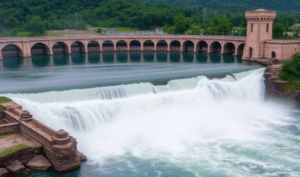
3. Hydropower: A double-edged sword
- Truth: Hydropower is reliable, scalable, and accounts for over half of renewable energy worldwide.
- Misconception: Hydropower is inherently green. Large dams can cause significant environmental disruptions, including habitat destruction, methane emissions from stagnant reservoirs, and displacement of local communities. Small-scale hydropower mitigates some of these issues but has limited capacity.
4. Biomass: Renewable but polluting
- Truth: Biomass energy utilises organic material (wood, agricultural residues, and waste) and can reduce landfill waste.
- Misconception: Biomass is always carbon-neutral. Burning biomass releases CO2 and other pollutants into the atmosphere. Unsustainable harvesting of wood or crops for fuel can deplete forests, harm biodiversity, and compete with food production.

5. Geothermal energy: Minimal footprint with Regional limitations
- Truth: Geothermal energy is clean, producing minimal emissions and consistent power output.
- Misconception: Geothermal energy is universally applicable. It is location-dependent, viable only in regions with significant volcanic or tectonic activity. Additionally, geothermal plants may release small amounts of sulfur dioxide and heavy metals.

Sustainability: Can renewables meet global energy demands?
The shift to renewable energy is essential, but its scalability and sustainability depend on addressing several challenges:
- Energy storage – Solar and wind are intermittent energy sources, meaning they depend on weather conditions. Advancements in battery storage and alternative solutions, such as green hydrogen, are critical for overcoming this limitation.
- Resource management – Many renewables rely on materials that are energy-intensive to mine and process. A circular economy that emphasises recycling and responsible sourcing is vital to reducing environmental impacts.
- Land use and biodiversity – Large-scale renewable projects can compete for land with agriculture or natural habitats, potentially threatening biodiversity. Integrating renewables into urban spaces (e.g., rooftop solar) can mitigate land conflicts. As well, floating solar power plants can be installed on unused water spaces and improve biodiversity while generating energy.
- Cost and infrastructure – While renewable energy is becoming more affordable, significant upfront investment and infrastructure upgrades are required, especially in developing regions.
The urgent need for action
The first COP (Conference of the Parties) was held in 1995 in Berlin. At that time, the global CO2 concentration was approximately 360 parts per million (ppm), and global temperatures were already rising due to industrial emissions.
As of COP29 in 2024, the CO2 concentration has surpassed 420 ppm, and global temperatures have risen by approximately 1.2°C compared to pre-industrial levels.
Source: Statista
If global temperatures rise beyond 2°C compared to pre-industrial levels, the consequences could be catastrophic:
- More extreme weather events: Increased frequency of hurricanes, heatwaves, floods, and droughts.
- Sea-level rise: Melting ice sheets could submerge coastal cities, displacing millions.
- Biodiversity loss: Many ecosystems, including coral reefs and rainforests, could collapse, leading to mass extinctions.
- Food and water insecurity: Changes in precipitation patterns will disrupt agriculture, threatening food supplies and clean water access.
- Human health risks: Rising temperatures will exacerbate heat-related illnesses, vector-borne diseases, and respiratory problems due to poor air quality.

Despite decades of discussions at global forums like COP, the reality remains concerning; global temperatures continue to rise, and atmospheric CO2 levels steadily increase. While commitments are made, tangible actions often fall short.
Time is running out, and the urgency to transition to a sustainable future has never been greater.
It is no longer enough to talk about change; immediate action is needed. A shift to renewable energy, combined with innovative technologies, energy efficiency, and sustainable practices, is the most viable solution to halt the current trajectory of global warming.
Conclusion: A balanced approach to renewable energy
Renewable energy sources are indispensable in the global fight against climate change, but they are not without challenges. The key lies in understanding their environmental trade-offs, improving technologies, and promoting sustainable practices across their lifecycles.
For a greener future, renewables must be implemented thoughtfully. This includes:
- Developing advanced recycling systems for solar panels, wind turbines, and batteries.
- Protecting ecosystems through careful site selection for wind and hydro projects.
- Investing in next-generation technologies like green hydrogen and energy storage.
Ultimately, renewable energy represents a pathway to sustainability, but it is not a magic wand. A combination of innovation, responsible implementation, and global cooperation is necessary to realise its full potential as a truly green solution.
The time to act is now. Our collective future depends on it.
The post Truths and misconceptions of renewable energies appeared first on EU-Startups.